The Unwavering Loyalty of Kent: A Beacon for an Exiled Character in King Lear
In William Shakespeare's tragic masterpiece,
King Lear, few characters embody the true meaning of loyalty with the profound depth and self-sacrifice of Kent. As King Lear plunges into madness and banishment, losing his kingdom, his family, and ultimately his mind, it is Kent who stands by him, a steadfast sentinel against a storm of ingratitude and betrayal. Kent's journey, fraught with personal sacrifice and unwavering dedication, offers a poignant counterpoint to the treachery that defines Lear's downfall, making him an indispensable pillar of support for the
exiled character in King Lear. His story is not just one of service, but of a profound human connection that transcends rank and even banishment.
The Immediate Price of Honesty: Kent's Own Banishment
The seeds of Lear's tragedy are sown in the play's opening scene, where the aging monarch demands extravagant declarations of love from his daughters in exchange for portions of his kingdom. While Goneril and Regan skillfully manipulate their father with effusive, yet hollow, praise, Lear's youngest and most beloved daughter, Cordelia, refuses to partake in the charade, declaring her love to be "according to her bond; no more nor less." Enraged by Cordelia's plainspoken honesty, Lear disinherits her.
It is at this critical juncture that Kent, Lear's trusted earl, intervenes. Witnessing his king's irrationality and fearing the catastrophic consequences of such a rash decision, Kent boldly speaks truth to power. He attempts to reason with Lear, reminding him of Cordelia's virtue and the dangerous flattery of her sisters. He implores, "Be Kent unmannerly, when Lear is mad. What wouldst thou do, old man? Think'st thou that duty shall have dread to speak, when power to flattery bows?"
Lear, consumed by his hubris and unwilling to tolerate dissent, misinterprets Kent's counsel as insubordination. In a fit of uncontrolled fury, he banishes Kent, giving him mere days to leave the kingdom on pain of death. This act of banishment is laden with tragic irony: the truly loyal subject is cast out, while the treacherous ones are elevated. Kent, an honest and devoted servant, himself becomes an
exiled character in King Lear, demonstrating the immediate, devastating consequences of speaking truth to an absolute, unreasoning monarch.
A Disguise Born of Devotion: Kent's Return to Service
Despite the harsh decree that exiles him, Kent's loyalty to Lear remains unshaken. He cannot abandon his aging king, knowing that Lear, stripped of Cordelia's genuine love and surrounded by the cunning Goneril and Regan, is vulnerable to exploitation. Kent's unwavering dedication compels him to devise a plan that allows him to remain by Lear's side: he adopts a disguise.
Shaving his beard, altering his voice, and adopting a coarser manner, Kent transforms himself into "Caius," a plain-spoken, loyal commoner seeking service. This drastic alteration is not for personal gain but purely for the sake of his king. It speaks volumes about his character that he would risk his life, return to a kingdom from which he was banished, and humble himself to serve in a lesser capacity, all to protect the man who had wronged him.
As Caius, Kent immediately ingratiates himself with Lear, offering his service with humble sincerity. Lear, despite his deteriorating judgment, recognizes an honest spirit in Caius and takes him into his retinue. This clever deception allows Kent to perform invaluable services: carrying messages, offering protection, and, perhaps most importantly, providing a consistent, albeit disguised, source of genuine affection and common sense for Lear as his world crumbles. The risks involved are immense; discovery would mean certain death, yet Kent's resolve never falters.
Steadfast Through the Storm: Kent's Unwavering Presence
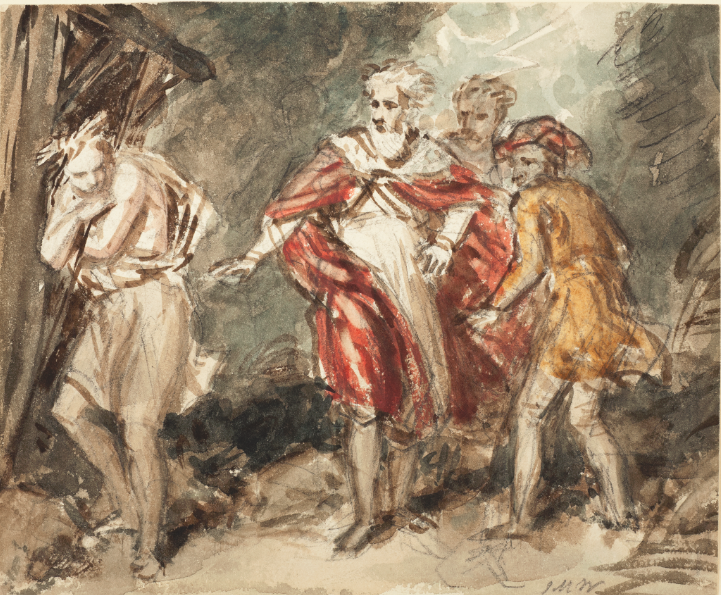
Kent's loyalty is most vividly portrayed during Lear's descent into madness, particularly amidst the harrowing storm on the heath. As Lear's daughters, Goneril and Regan, progressively strip him of his knights, his dignity, and his sanity, it is Caius who remains a steadfast presence. When Lear is cast out into the elements, exposed to the brutal weather and the even more brutal truth of his daughters' perfidy, Caius is there.
He tirelessly searches for Lear, finding him ravaged by the storm and slipping into madness. Kent's compassion is evident as he guides the king to shelter, enduring the harsh weather alongside him. He offers what little comfort he can, prioritizing Lear's well-being above his own. This period is crucial for Lear's tragic transformation, and Kent's steady support provides a fragile anchor. He attempts to soothe Lear, engaging with his erratic thoughts and doing his best to shield him from the full force of his shattered reality. His presence is a testament to the enduring human capacity for empathy and duty even in the most dire circumstances.
Moreover, Kent actively protects Lear from the overt malice of others. His confrontation with Oswald, Goneril's insolent steward, is a prime example. Oswald's disrespect towards Lear infuriates Caius, leading him to beat the steward soundly. This act, while perhaps ungentlemanly, highlights Kent's fierce protectiveness of his master, even when Lear himself is too deranged to fully grasp the insult. These actions demonstrate Kent's commitment not only to passive support but to active defense of the
exiled character in King Lear, battling against every injustice Lear faces.
The Heart of Loyalty: Kent's Enduring Faith
As the play hurtles towards its tragic conclusion, Kent's loyalty remains undiminished. He facilitates Lear's reunion with Cordelia, understanding that only her genuine love can offer solace to the broken king. His role in guiding Lear towards this moment of reconciliation underscores his profound understanding of what Lear truly needs.
The revelation of Kent's true identity to Lear is a poignant moment, showcasing the depth of his devotion. He waits until the chaos has somewhat subsided, until Lear has experienced the brief comfort of Cordelia's embrace, before revealing the truth of "Caius" being Kent, the banished earl. Lear, by this point, is too fragile to fully comprehend the magnitude of Kent's sacrifice, but the audience grasps the immense weight of this lifelong bond.
In the final scene, as Lear cradles the lifeless body of Cordelia, succumbing to grief himself, Kent is one of the few survivors. When Albany suggests that Kent and Edgar should take up the mantle of leadership in the ravaged kingdom, Kent declines. His final lines reveal the ultimate testament to his loyalty: "I have a journey, sir, shortly to go; My master calls me, I must not say no." These words imply his imminent death, a refusal to outlive his beloved king, underscoring that his purpose was inextricably tied to Lear's welfare. Kent's refusal to embrace a future without Lear solidifies his place as the epitome of unwavering loyalty, a stark contrast to the self-serving ambitions that destroyed the kingdom.
Lessons from Kent: Integrity in Adversity
Kent's character, though fictional, offers profound insights into human values that transcend the Elizabethan stage. His journey provides practical lessons for navigating complex moral landscapes:
1.
The Courage to Speak Truth: Kent's initial banishment stems from his refusal to flatter. His example teaches us the importance of integrity, even when it comes at a personal cost. Speaking truth to power, especially when that power is misguided or dangerous, is a vital, albeit often painful, act.
2.
True Service is Selfless: Kent serves Lear not for personal gain or advancement, but out of genuine affection and duty. His disguise highlights that true service is about the welfare of others, regardless of recognition or reward.
3.
Loyalty is Tested in Adversity: It is easy to be loyal in good times. Kent's devotion shines brightest during Lear's darkest hours, demonstrating that genuine loyalty is resilient and unwavering in the face of hardship and betrayal.
4.
Empathy and Compassion: Kent's quiet comfort and protection of Lear on the heath remind us of the power of empathy. In moments of extreme suffering, a steady, compassionate presence can be as vital as any grand gesture.
In a play dominated by cruelty and injustice, Kent stands as a moral compass, a beacon of fidelity in a storm of chaos. His character offers a timeless reminder that honor, courage, and an unshakeable bond of loyalty are among humanity's most enduring virtues.
In conclusion, Kent's unwavering loyalty to the
exiled character in King Lear is one of the play's most poignant and powerful themes. From his initial, self-sacrificing intervention to his disguised service and his final refusal to live without his master, Kent embodies the very essence of devotion. He is a constant reminder that even in the face of profound injustice and personal suffering, the human spirit can choose integrity, compassion, and an unshakeable faithfulness that ultimately ennobles tragedy itself.